

Why Co-Regulation Matters for Children with Autism and PDA (And Why "Just Calm Down" Doesn't Work)
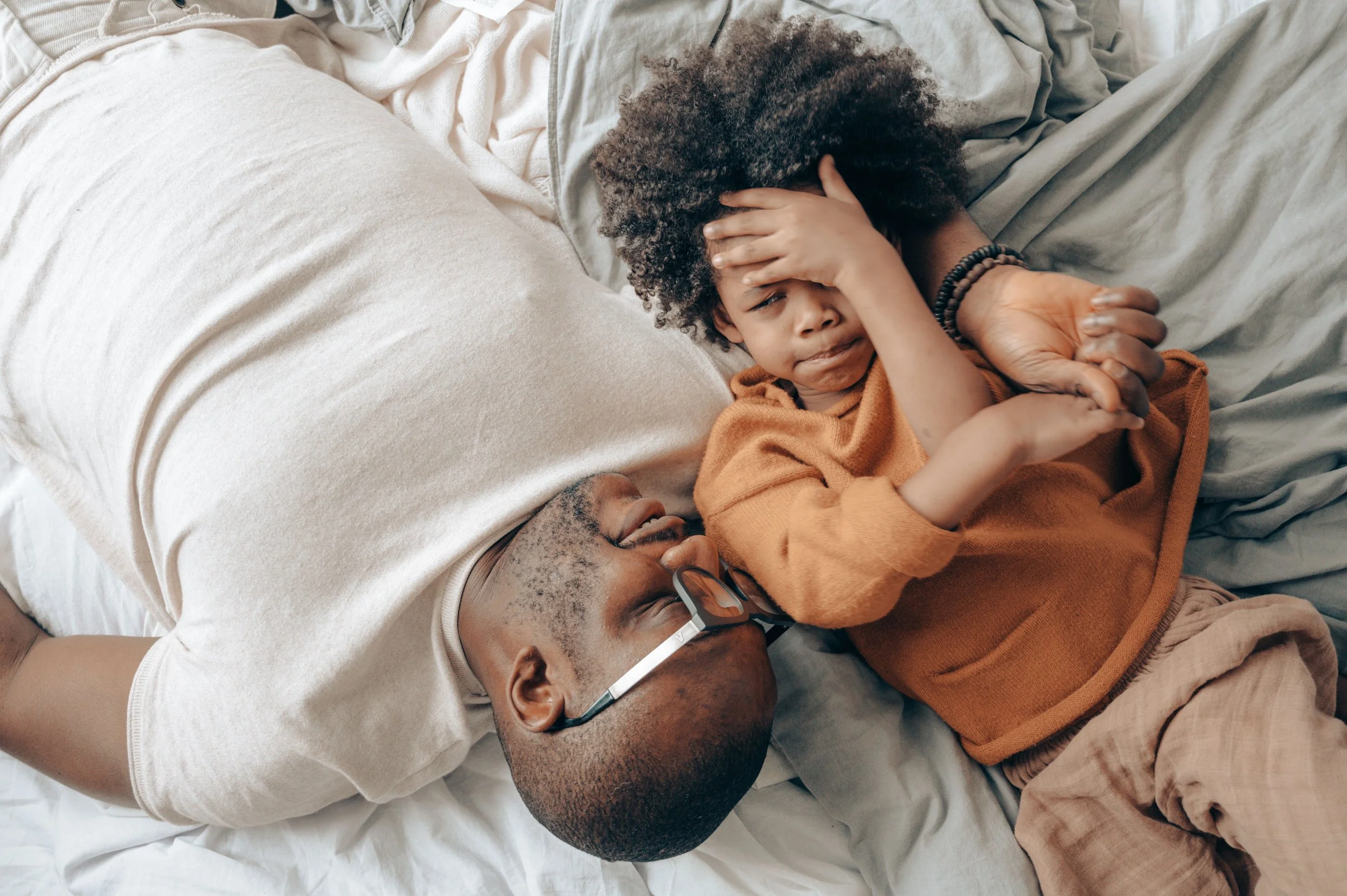
Your regulated body, voice, and presence become the model and anchor for your child's nervous system.
If you're parenting a child with Autism Spectrum Disorder (ASD), Pathological Demand Avoidance (PDA), or ADHD, you've probably heard some version of this advice: "Teach them to self-regulate." You may have tried sticker charts, breathing exercises, or calm-down corners — and watched your child melt down anyway, sometimes even harder.
Here's the piece that's often missing: children can't self-regulate until they've experienced enough co-regulation. For kids with ASD and PDA in particular, co-regulation isn't a nice-to-have — it's the foundation everything else is built on.
In this post, we'll break down what coregulation actually is, why it matters so much for neurodivergent kids, how PDA changes the picture, and simple ways you can start practicing it at home today.
What Is Co-Regulation?
Co-regulation is the process by which a calm, attuned nervous system helps another nervous system find safety and calm. In practice, this means your regulated body, voice, and presence become the model and anchor your child's nervous system borrows from — especially before, during, and after moments of dysregulation.
Think of it like this: a baby doesn't know how to soothe themselves. A caregiver rocks them, hums, and holds them, and over thousands of repetitions, the baby's nervous system learns what "calm" feels like. Self-regulation isn't taught through instruction — it's built through co-regulated experiences, repeated over time.
This is true for every child, but it's even more critical for children with ASD and PDA, whose nervous systems are often working harder, more often, just to feel safe in everyday environments.
Why Co-Regulation Is Especially Important for Children with ASD
Many autistic children experience the world with heightened sensory input, less predictable social feedback, and a nervous system that moves into fight, flight, or shutdown more quickly and more often than a neurotypical child's. This isn't a behavior problem — it's a nervous system difference.
That means:
Self-regulation skills (like "use your words" or "take deep breaths") are often inaccessible in the moment, because the thinking brain goes offline during dysregulation. This is true for all kids, but the threshold is often lower and the recovery time longer for autistic children.
Consistent co-regulation builds the neural pathways that eventually support more independent regulation — but this takes longer and needs more repetition for many autistic kids, not less.
Sensory regulation and emotional regulation are deeply linked. A co-regulating adult who notices sensory triggers (noise, transitions, textures, fluorescent lights) can help a child's body settle before it escalates.
The goal isn't to eliminate meltdowns through better compliance. The goal is to build enough felt safety, over time, that your child's nervous system doesn't have to work so hard to survive the day.
Why PDA Changes the Co-Regulation Conversation
Pathological Demand Avoidance (also called Pervasive Drive for Autonomy) is a profile within the autism spectrum characterized by an anxiety-driven need to resist and avoid everyday demands — including demands your child wants to meet, like getting a favorite snack or doing a preferred activity.
For a child with PDA, any perceived loss of control can register as a threat, triggering the same fight, flight, freeze, or fawn responses you'd expect from actual danger. This has major implications for co-regulation:
Traditional calming strategies can backfire if they feel like another demand. "Go take some deep breaths" is still an instruction — and instructions are exactly what a PDA nervous system is wired to resist.
Co-regulation for PDA kids has to be low-demand and collaborative. This might look like sitting quietly nearby, offering choices instead of directives, or narrating your own calming process out loud ("I'm going to sit here and breathe for a second") rather than directing your child to do the same.
Your own regulation matters more, not less. Because PDA nervous systems are so attuned to control and threat, they often pick up on a caregiver's underlying tension even when the words sound calm. Kids can sense the difference between a parent who is genuinely regulated and one who is just performing calm.
Connection has to come before any correction. For PDA kids, the relationship is the regulation strategy. Demands, consequences, and even well-intentioned redirection tend to increase anxiety and shut down cooperation rather than open it up.
In other words: with PDA, co-regulation isn't just helpful — it's often the only door into a child's nervous system that doesn't trigger a threat response.
What Co-Regulation Looks Like in Real Life
Co-regulation doesn't require special equipment or a script. It requires your presence, your own regulated state, and attunement to what your child's body is telling you. Some examples:
Before a transition: Lowering your voice, slowing your movements, and giving your child extra time and space rather than rushing them, which keeps both of your nervous systems calmer going into a known trigger point.
During a meltdown: Staying physically near (without crowding), keeping your own breathing slow and audible, and resisting the urge to talk your child out of the feeling. Your calm presence is doing more work than your words.
For a PDA child specifically: Offering an "out" that preserves autonomy — "I'll be right here, no rush," or simply sitting on the floor nearby without eye contact or expectation — rather than asking them to calm down or explain what's wrong.
After the storm passes: Reconnecting without lecturing. A regulated nervous system needs safety and warmth before it can process what happened, not a debrief about behavior.
In everyday moments: Regular sensory-rich, low-demand connection time (co-regulated play, movement, humor) builds the "reserve" your child draws on during harder moments.
The Most Important Regulation Tool You Have Is Your Own Nervous System
This is the part that's easy to overlook: co-regulation starts with your regulation. Children — especially those with ASD and PDA — are remarkably attuned to caregiver stress, even when we think we're hiding it well. Before you can offer co-regulation, it helps to ask:
Am I regulated enough right now to be a calm anchor?
What does my own nervous system need in this moment?
Can I let go of the goal of "fixing" this moment and just be present in it?
This isn't about being a perfectly calm parent all the time — that's not realistic or necessary. It's about noticing your own state, having a few go-to strategies for finding your footing, and giving yourself the same compassion you're trying to offer your child.
When to Reach Out for Support
If meltdowns, shutdowns, or daily power struggles feel unmanageable, or if you're not sure how to tell the difference between "typical" dysregulation and a PDA profile, working with a therapist who specializes in ASD, PDA, and ADHD can make a significant difference. A trained therapist can help you:
Understand your child's unique nervous system patterns and triggers
Build a personalized, low-demand co-regulation toolkit that actually works for your family
Support your own regulation and reduce caregiver burnout
Navigate school, sibling, and family dynamics through a neurodiversity-affirming lens
You don't have to figure this out alone, and your child doesn't need to be "fixed" — they need a nervous system that feels safe enough to grow into its own capacity for regulation, at its own pace.
Stay Rooted in Wellness!
Amanda Cartwright, LCSW
Rooted NeuroWellness offers virtual neurodiversity-affirming support focused on ADHD, autism, PDA, and parenting throughout CT. For more information, contact us here.